Orange Grove Project
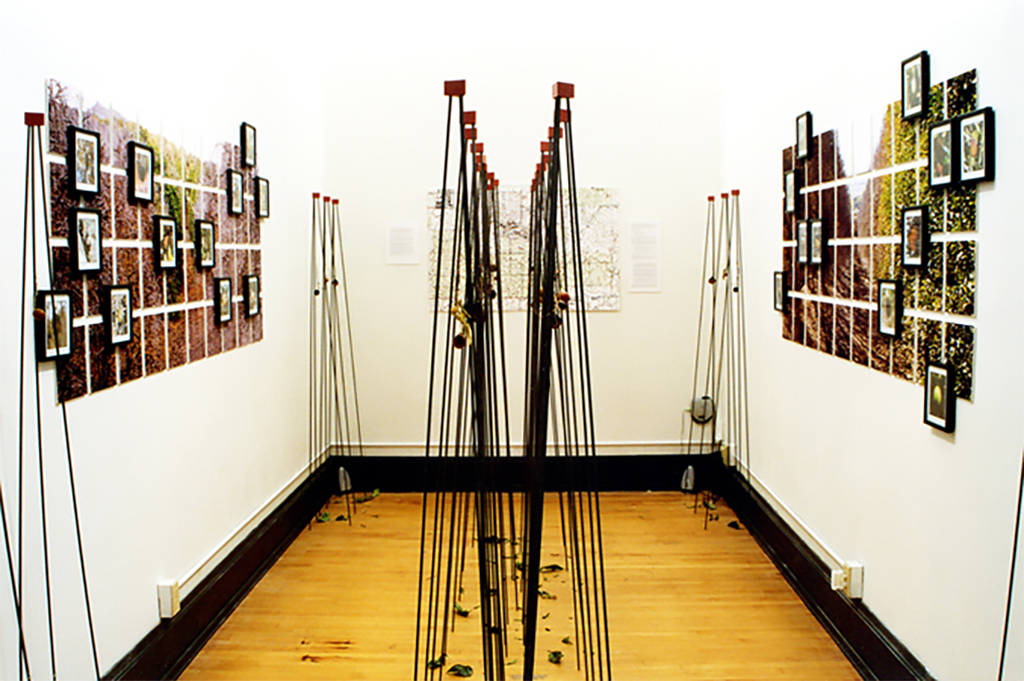
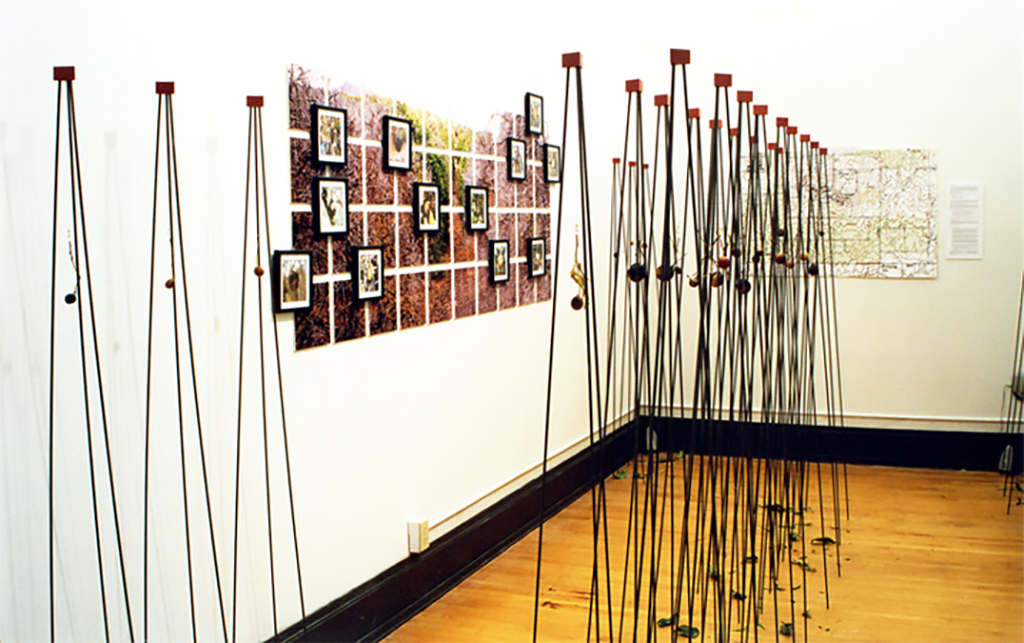
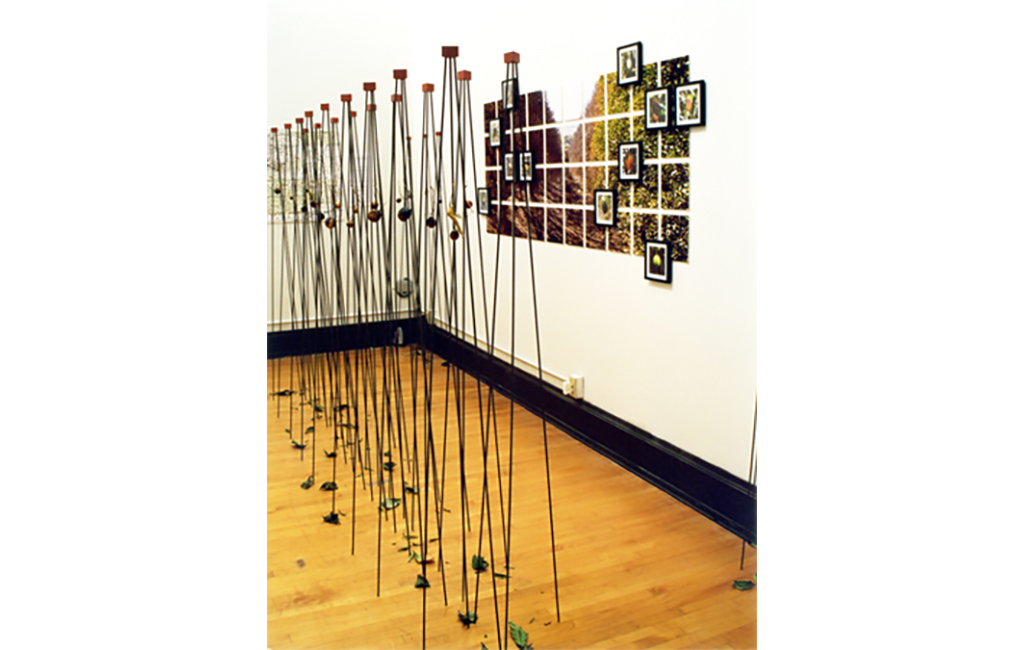
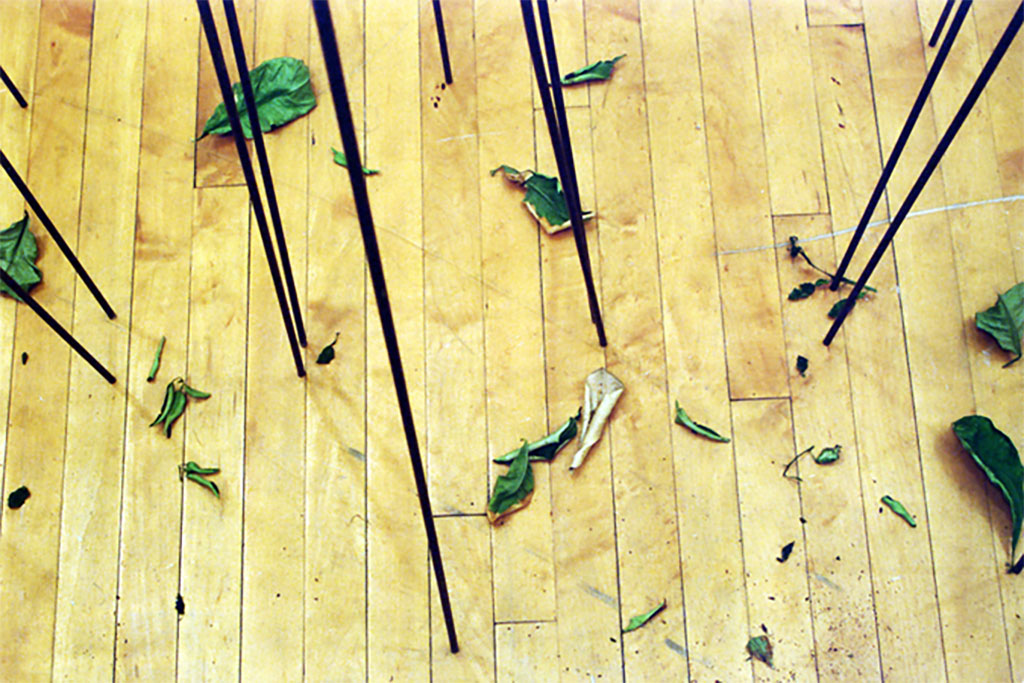
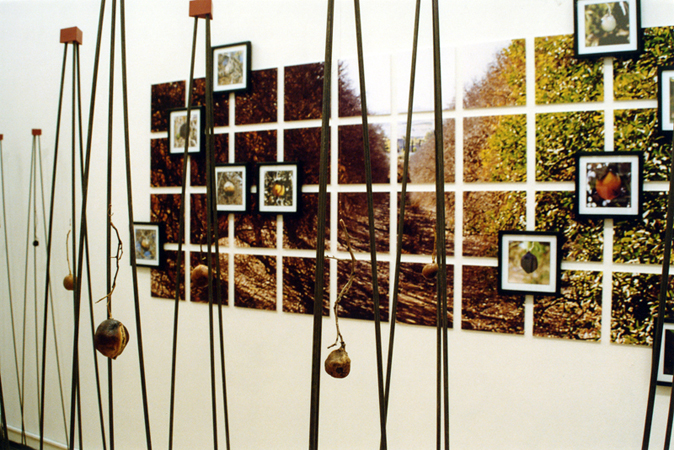
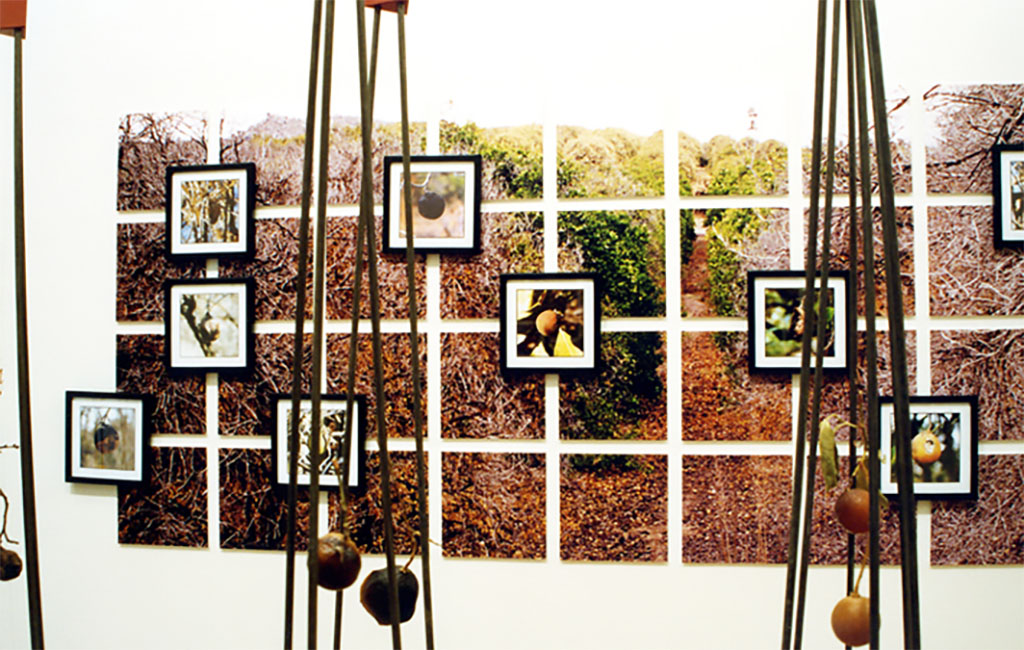
In November 2002 I visited Riverside, California. While there, I explored an orange grove that is in the process of being removed in order to make room for new housing developments. The visual impact of the large grove in various stages of decay and removal was striking. When I returned home, I began work on a project addressing the situation.
In November 2002 I visited Riverside, California. While there, I explored an orange grove that is in the process of being removed in order to make room for new housing developments. The visual impact of the large grove in various stages of decay and removal was striking. When I returned home, I began work on a project addressing the situation.
Due to the fact that the orange groves are not native to Riverside but were in fact introduced to the area in 1873, my first thoughts were about the complexity of altering a previously altered environment. This begs the question: can the grove be considered “nature” even though it was constructed by human hands?
The “nature” that I am looking at in this project is not pristine, wild, or utopian. It is the “nature” that is most accessible to humans in contemporary societies: in parks, zoos, natural history museums, back yards, and agricultural areas. It is isolated, analyzed, filtered, dissected, categorized, classified, idealized, and edited.
Even though this “nature” is highly subjugated, there is still value in the physical experience of being in a space where one is not surrounded by steel, concrete and technology. In these spaces there are also microcosms of flora and fauna that, if viewed at a certain scale or from a certain perspective, are still wild, interesting, and beautiful. This is not to say that the loss of native “wilderness” is acceptable; instead, I attempt to reassess the reality of our current relationship with the “nature” that most of us encounter on a daily basis.
When the orange groves were initially planted in Riverside, there must have been massive destruction of the native environment—native flora removed, native fauna displaced. While walking in the groves, however, I noticed an abundance of animals and plants that had over the years apparently found a way to exist in this artificial environment. Parts of this grove eco-system have developed relying on human management, and other parts have simply learned how to live in an alien landscape. This tenuous balance will now be undone by the removal of the groves and their replacement with housing developments.
Several local residents that I spoke with voiced disapproval of the destruction of the groves and the coming development. Some of them told me that they consider the grove a park-like area where they can go for walks with children and pets and experience a feeling of connectedness with plants and animals. This altered landscape will be lost to paved suburban sprawl, pushing the fractured remains of the native species into smaller and smaller areas.
In fact, one of the first points that I discovered in my research was that Riverside has the highest rate of sprawl in the entire country (based on a study by Reid Ewing of Rutgers University, Rolf Pendall of Cornell University, and Don Chen of Smart Growth America). The experience and ethics of sprawl must not be glibly accepted or dismissed, but documented and questioned.